
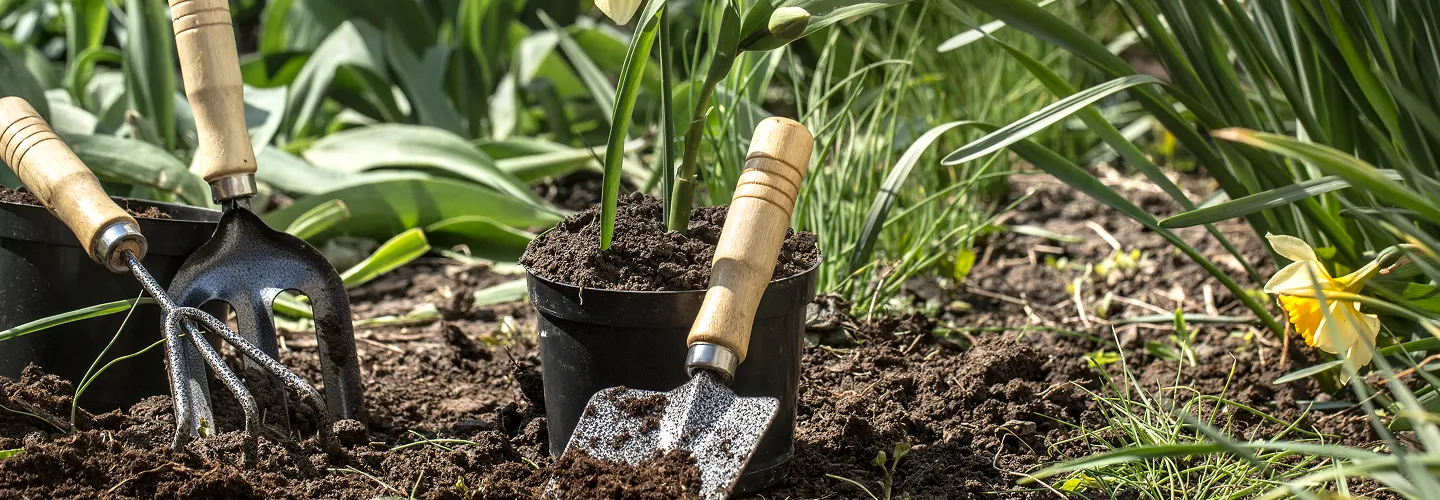
Cape Coral Lawn Renovation Services
Choose our expert lawn renovation services for a lush, healthy yard that boosts your curb appeal and creates a welcoming outdoor space for your family and guests.
Get a Free QuoteOur Cape Coral Landscaping & Yard Care Services
When to Schedule Lawn Renovation in Cape Coral, Florida – Seasonal Guide
In Cape Coral, Florida, timing your lawn renovation is crucial for achieving a lush, healthy yard that thrives in our unique subtropical climate. The best periods for lawn renovation are typically late spring and early fall, when temperatures are warm but not excessively hot, and rainfall is more predictable. These windows allow new grass and plants to establish strong roots before the intense summer heat or occasional winter chills set in.
Local environmental factors play a significant role in determining the optimal renovation schedule. For example, neighborhoods near the Caloosahatchee River or around Four Mile Cove Ecological Preserve may experience higher humidity and different soil compositions compared to inland areas like Trafalgar or Pelican. Understanding Cape Coral’s average last frost date—usually in early February—and the risk of late-season droughts is essential. Homeowners should also consider municipal watering restrictions, which can impact the success of new sod or seed. For more information on local guidelines and resources, visit the official city website.
Local Factors to Consider for Lawn Renovation in Cape Coral
- Tree density and shade coverage, especially in mature neighborhoods like Yacht Club
- Soil type and drainage, which can vary between waterfront and inland properties
- Seasonal precipitation patterns and risk of drought
- Municipal watering restrictions and local ordinances
- Terrain and elevation, affecting water runoff and soil erosion
- Proximity to saltwater or brackish environments, influencing plant selection
Benefits of Lawn Renovation in Cape Coral
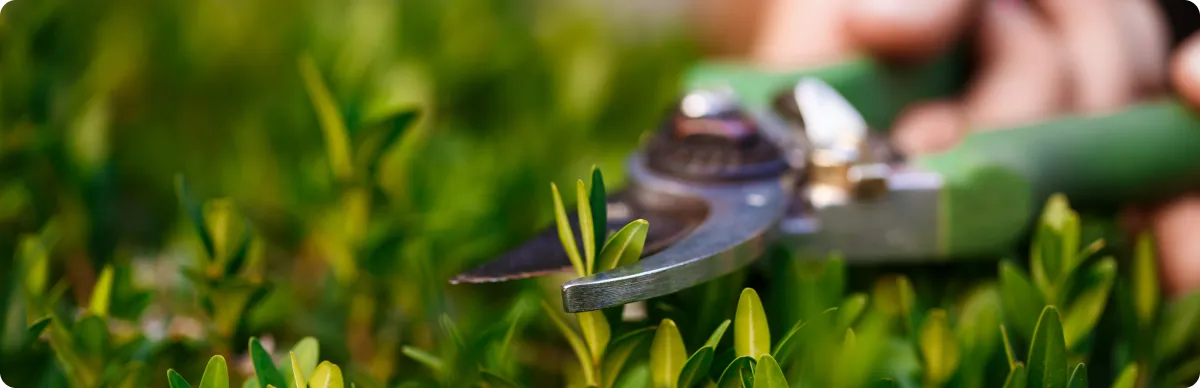
Enhanced Curb Appeal
Improved Soil Health
Weed and Pest Reduction
Increased Property Value
Customized Lawn Solutions
Expert Local Knowledge
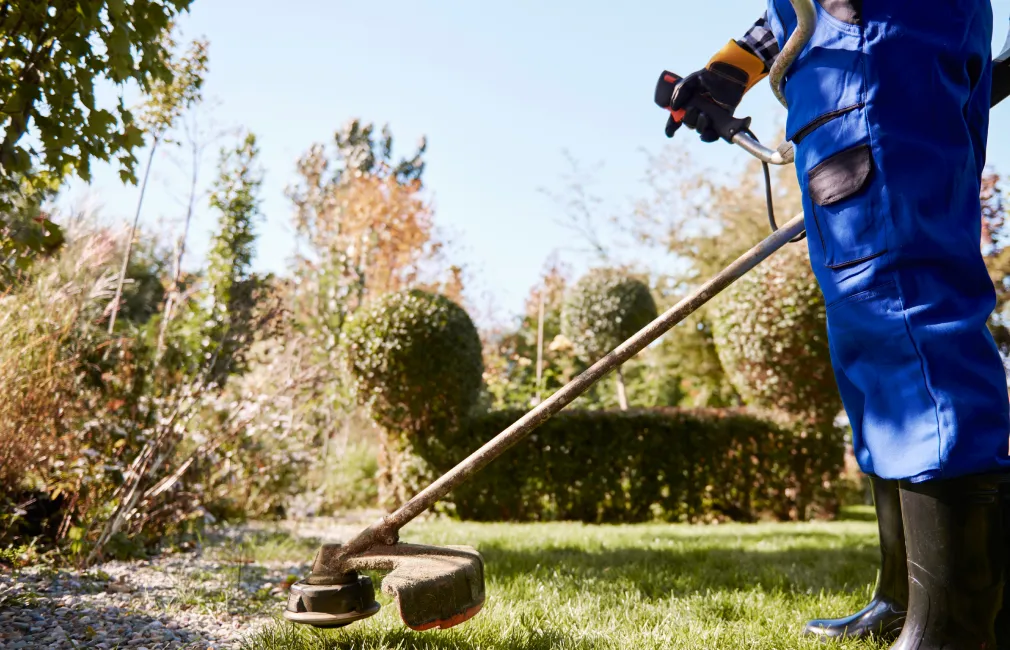
Cape Coral Lawn Renovation Types

Sod Installation
-
Seeding and Overseeding
-
Soil Amendment
-
Grading and Leveling
-
Weed and Pest Control
-
Irrigation System Upgrades
-
Dethatching and Aeration
Our Lawn Renovation Process
Site Evaluation
Soil Preparation
Seeding or Sod Installation
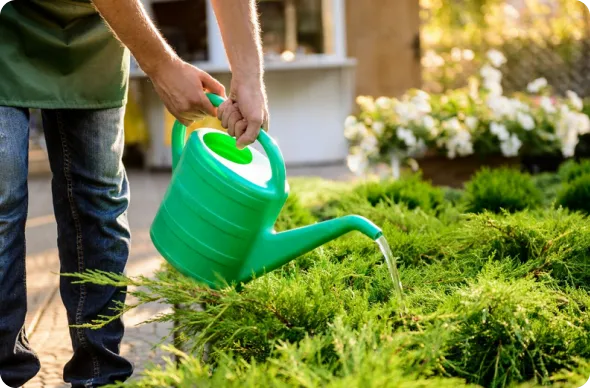
Watering and Fertilization
Ongoing Maintenance
Why Choose Cape Coral Landscape Services
-
Cape Coral Homeowners Trust Us
-
Expert Lawn Maintenance
-
Reliable Irrigation Solutions
-
Competitive Pricing
-
Professional Team
-
Satisfaction Guarantee
-
Personalized Service
Coordinating Lawn Renovation Projects with Cape Coral's Municipal Departments and Programs
Lawn renovation in Cape Coral often involves more than replacing turf. Projects that include grading corrections, drainage improvements, irrigation modifications, or soil amendment may intersect with municipal review processes managed through the city's development and public works divisions. Property owners should confirm whether proposed site work—particularly changes to swale grades, stormwater flow patterns, or irrigation connections—requires coordination with city engineering or environmental staff before work begins.
- Renovation projects that alter lot drainage or swale function should be reviewed with the city's engineering and stormwater operations to avoid disrupting the canal-based drainage network
- Vegetative debris generated during turf removal or soil preparation must be managed according to the city's yard waste collection procedures; verify current bundling, container, and curbside placement rules with Public Works
- Properties adjacent to city-maintained canal banks, retention areas, or right-of-way swales should confirm setback and stabilization expectations before disturbing existing ground cover
- Irrigation system changes tied to lawn renovation—such as new zone layouts or head replacements—should align with the South Florida Water Management District watering restrictions applicable to Cape Coral
Cape Coral Development Services
1015 Cultural Park Blvd, Cape Coral, FL 33990
Official Website: Cape Coral Development Services
Cape Coral Public Works
815 Nicholas Pkwy E, Cape Coral, FL 33990
Official Website: Cape Coral Public Works
How Cape Coral's Sandy Soils and Canal Network Affect Lawn Renovation Outcomes
Cape Coral sits within USDA Hardiness Zone 10a and is classified as a Gulf Coast Florida environment with subtropical heat, high humidity, and a pronounced wet season from roughly June through October. These conditions directly shape every phase of lawn renovation work.
- Sandy, low-organic soils: Much of Cape Coral is built on sandy fill and Immokalee-type fine sands with limited nutrient retention. Fertilizer and amendments leach rapidly, requiring careful application rates and timing to avoid groundwater contamination and canal nutrient loading.
- Extensive canal system: Cape Coral contains over 400 miles of canals. Any renovation work near canal banks, swale edges, or retention ponds must prevent sediment, soil amendments, and fertilizer granules from entering the stormwater conveyance network.
- High water table: Seasonal water table elevation—particularly during wet-season months—can saturate root zones and complicate soil correction, grading, and sod establishment. Renovation timing must account for saturated conditions that inhibit root development.
- Heat and humidity stress: Summer air temperatures regularly exceed 90°F with humidity above 80%, creating intense fungal pressure on recovering turf. St. Augustinegrass varieties such as 'Floratam' and 'Palmetto' are the dominant warm-season selections, though bahiagrass may suit lower-maintenance areas. Turf selection during renovation should match the site's sun exposure, irrigation capacity, and intended maintenance level, consistent with UF/IFAS lawn guidance.
Navigating Cape Coral's Environmental and Stormwater Regulations for Lawn Renovation
Lawn renovation projects in Cape Coral must comply with several layers of environmental and land-use regulation. The city's fertilizer ordinance, aligned with Florida Statutes §403.9337, restricts nitrogen and phosphorus application during the summer rainy season. Property owners and contractors should verify the current blackout period dates and application rate limits with the city before scheduling post-renovation fertilization.
- Any pesticide application during or after renovation must be performed by operators holding valid credentials through the FDACS Pesticide Applicator Licensing program, as required under Florida law
- Sediment and soil material must not be allowed to migrate into canal waterways, curb inlets, or swale channels; erosion control measures such as silt barriers or sediment socks may be necessary during active grading or soil amendment phases
- The city's MS4 stormwater permit under the Florida DEP NPDES Stormwater Program obligates Cape Coral to enforce discharge prevention, which extends to private property renovation activities that could generate polluted runoff
- Code compliance staff may enforce property maintenance standards related to exposed soil, incomplete turf coverage, or debris accumulation during extended renovation timelines; verify expectations with Development Services
Cape Coral Water Quality & Conservation
Official Website: Cape Coral Water Quality & Conservation
Timing and Methods for Lawn Renovation in Cape Coral's Subtropical Climate
Professional lawn renovation in Cape Coral follows a sequence driven by the region's heat, rainfall, and turf biology. The optimal renovation window for warm-season grasses falls between late April and early July, when soil temperatures support rapid root establishment and active top growth before peak wet-season saturation.
- Soil correction: Core aeration—typically targeting 2–3 inches of penetration—addresses compaction common in Cape Coral's fill-based subdivision lots. Topdressing with clean sand or organic-sand blends improves infiltration without disrupting existing grade
- Drainage repair: Low spots, settled areas near foundations, and improperly graded swale transitions should be corrected before new turf is installed. Water must flow away from structures and toward designated swale or canal conveyance paths
- Irrigation audit: Renovation should include a full irrigation system evaluation—checking head coverage, pressure uniformity, and zone run times. Overwatering on sandy soils wastes water and promotes shallow rooting and fungal disease. EPA WaterSense principles support efficient scheduling
- Turf conversion: Properties transitioning from declining turf to a better-adapted variety should remove existing sod and thatch completely, amend soil as indicated by a soil test, and install new sod during active growth periods. Avoid sodding during peak wet-season months when saturated soils prevent root anchoring
- Post-installation care: New sod requires frequent, light irrigation for the first 7–14 days, gradually transitioning to deeper, less frequent watering as roots establish. Mowing should not begin until turf is firmly rooted and has reached appropriate mowing height for the species
Cape Coral Environmental Resources
Official Website: Cape Coral Environmental Resources
What Neighborhoods Do We Serve Throughout Cape Coral, FL?
- Pelican — This established neighborhood features mature landscaping on larger lots where shade encroachment and compacted soils frequently necessitate turf conversion and drainage correction during renovation
- Coral Oaks — Properties in this golf-course-adjacent community often require irrigation audits and turf species evaluation due to high aesthetic standards and HOA landscape requirements
- Sandoval — As a newer master-planned community, Sandoval lots may exhibit fill-soil settlement and swale grading issues that affect turf health and require leveling as part of renovation
- Cape Coral Northwest (Burnt Store corridor) — Rapidly developing areas along the Burnt Store Road corridor present renovation challenges related to newly established fill soils, limited irrigation infrastructure, and canal-adjacent drainage sensitivity
- Southeast Cape Coral (Yacht Club area) — Older residential lots near the Caloosahatchee River may have compacted, shell-influenced soils and salt exposure that demand careful turf selection and soil amendment during renovation
- Southwest Cape Coral — Canal-front properties throughout the southwest quadrant require particular attention to preventing sediment and nutrient runoff into adjacent waterways during any ground-disturbance phase of renovation