
Cape Coral Flower Bed Maintenance Services
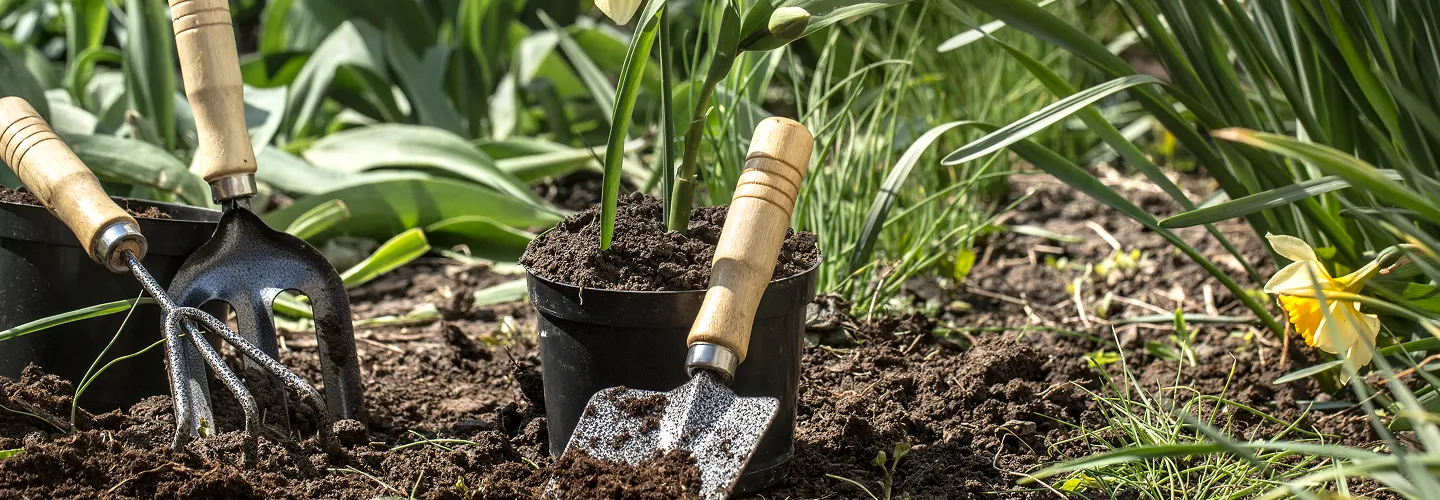
Choose our Flower Bed Maintenance for lush, healthy blooms all season long—our expert care ensures your garden stays weed-free, colorful, and thriving without the hassle.
Get a Free QuoteOur Cape Coral Landscaping & Yard Care Services
When to Schedule Flower Bed Maintenance in Cape Coral, Florida – Seasonal Guide
In Cape Coral, Florida, the subtropical climate means flower bed maintenance is best scheduled around the region’s unique weather patterns. The optimal times for maintenance are typically late winter through early spring and again in early fall, when temperatures are moderate and rainfall is more predictable. This timing helps prepare beds for the intense summer heat and supports healthy growth as plants emerge from dormancy. Neighborhoods like Pelican and Yacht Club, with their proximity to the Caloosahatchee River, often experience higher humidity and occasional salt spray, which can influence plant selection and care routines.
Local environmental factors such as the last frost date—usually in late January—should be considered before planting or mulching. Areas with dense shade, like those near Four Freedoms Park, may require different maintenance schedules compared to sunnier, open lots. Soil in Cape Coral tends to be sandy and well-draining, which affects watering frequency and fertilizer needs. For more information on local regulations and best practices, visit the City of Sudbury’s resource page.
Local Factors to Consider for Flower Bed Maintenance in Cape Coral
- Tree density and shade coverage around your property
- Soil type (sandy, loamy, or clay)
- Proximity to water bodies and salt exposure
- Seasonal precipitation and drought risk
- Municipal restrictions on watering or fertilizer use
- Terrain and drainage patterns
- Neighborhood-specific microclimates
Benefits of Flower Bed Maintenance in Cape Coral
Enhanced Curb Appeal
Weed and Pest Prevention
Healthier Plant Growth
Seasonal Color Variety
Professional Landscaping Expertise
Increased Property Value
Cape Coral Flower Bed Maintenance Types

Seasonal Mulching
-
Weed Control Services
-
Soil Amendment
-
Edging and Border Maintenance
-
Annual and Perennial Planting
-
Fertilization Programs
-
Pest and Disease Management
Our Flower Bed Maintenance Process
Site Evaluation
Weed Removal
Soil Cultivation
Mulching
Plant Health Inspection
Why Choose Cape Coral Landscape Services
-
Cape Coral Homeowners Trust Us
-
Expert Lawn Maintenance
-
Reliable Irrigation Solutions
-
Competitive Pricing
-
Professional Team
-
Satisfaction Guarantee
-
Personalized Service
Coordinating Flower Bed Maintenance with Cape Coral's Municipal Stormwater and Debris Programs
Cape Coral's extensive canal system—over 400 miles of navigable waterways—makes flower bed maintenance a matter of environmental responsibility as well as aesthetics. Organic debris, displaced mulch, and soil runoff from poorly maintained beds can migrate into swales, canal edges, and stormwater inlets throughout the city. Residents and property managers should ensure that vegetative trimmings, spent annuals, and excess mulch are collected and disposed of through the city's yard waste collection program rather than swept or blown into drainage infrastructure.
- Bag or bundle all flower bed trimmings and deadheaded material for curbside vegetative waste pickup; verify current collection schedules with Public Works
- Keep mulch, soil amendments, and fertilizer granules away from swale edges, canal banks, and curb inlets during bed maintenance
- Coordinate any bed renovation that involves grading changes near a swale or right-of-way with the city to avoid obstructing drainage flow
Cape Coral Public Works
P.O. Box 150027, Cape Coral, FL 33915-0027
Official Website: Cape Coral Public Works
Cape Coral's Water Quality & Conservation division provides guidance on stormwater stewardship practices that directly apply to bed maintenance activities near waterways.
How Cape Coral's Gulf Coast Climate Shapes Flower Bed Health and Maintenance Cycles
Cape Coral falls within USDA Hardiness Zone 10a, situated along Florida's Gulf Coast in a subtropical climate characterized by intense summer heat, high humidity, and a pronounced wet season from roughly June through October. These conditions directly influence every aspect of flower bed maintenance, from irrigation scheduling to pest and disease pressure.
- Sandy, fast-draining soils: Cape Coral's predominant soils are sandy and often fill-based in subdivisions, leading to rapid nutrient leaching. Flower beds require consistent mulch cover and targeted slow-release amendments to retain moisture and fertility.
- High water table and seasonal saturation: During the wet season, beds in low-lying areas or near canals may experience temporary waterlogging, stressing root systems and promoting fungal pathogens such as root rot.
- Reflected heat from hardscape: Beds adjacent to driveways, sidewalks, and light-colored stucco walls absorb and radiate additional heat, accelerating moisture loss and increasing stress on shallow-rooted annuals.
- Humidity-driven fungal pressure: Powdery mildew, leaf spot, and botrytis thrive in Cape Coral's humid conditions, making airflow management and proper plant spacing essential during bed maintenance.
The USDA Plant Hardiness Zone Map confirms Cape Coral's tropical-subtropical classification, which supports year-round planting but demands careful species selection and seasonal rotation.
Navigating Cape Coral's Environmental and Fertilizer Regulations for Flower Bed Care
Flower bed maintenance in Cape Coral intersects with several regulatory frameworks designed to protect the city's waterways and natural resources. Property owners and maintenance providers should be aware of the following compliance areas:
- Fertilizer ordinance awareness: Cape Coral enforces a local fertilizer ordinance consistent with Florida Statutes §403.9337, which establishes guidelines for nitrogen and phosphorus application on urban landscapes. Verify current blackout periods and application rates with the city before fertilizing flower beds.
- Pesticide and herbicide licensing: Any commercial applicator treating flower beds with restricted-use pesticides or herbicides must hold valid certification through the Florida Department of Agriculture and Consumer Services (FDACS). Unlicensed application of regulated products is a violation of Chapter 487 of the Florida Statutes.
- Stormwater and MS4 compliance: Cape Coral operates under a Municipal Separate Storm Sewer System (MS4) permit. Bed maintenance activities that generate runoff carrying sediment, nutrients, or chemical residues into the stormwater system may trigger enforcement under the Florida DEP NPDES Stormwater Program.
- Code compliance for overgrowth: Neglected flower beds with excessive weed growth or accumulated debris may be subject to code enforcement action through the city's Development Services division.
Cape Coral Environmental Resources
Official Website: Cape Coral Environmental Resources
Cape Coral Development Services
Official Website: Cape Coral Development Services
Timing Flower Bed Maintenance Around Cape Coral's Wet Season and Summer Heat
Professional flower bed maintenance in Cape Coral follows seasonal rhythms dictated by the Gulf Coast climate. Proper timing of each maintenance task reduces plant stress, minimizes waste, and protects surrounding drainage infrastructure.
- Deadheading and cleanup: Remove spent blooms and damaged foliage every two to four weeks during the active growing season (March through November). Increase frequency during the wet season when rapid growth and fungal decay accelerate.
- Mulch replenishment: Apply or refresh mulch to a depth of approximately two to three inches in early spring before the wet season begins. Avoid piling mulch against plant stems, which promotes crown rot in humid conditions.
- Weed suppression: Hand-pull or spot-treat weeds before they set seed, particularly after summer rain events that trigger rapid germination flushes. Pre-emergent products, when used, should be applied before the spring weed cycle and reapplied according to label intervals.
- Irrigation emitter checks: Inspect drip emitters and micro-sprayers in beds monthly. Cape Coral's sandy soils and high evapotranspiration rates demand efficient, targeted irrigation; verify current watering restrictions through the South Florida Water Management District or the city's utility schedule.
- Seasonal replanting: Transition cool-season annuals such as petunias and snapdragons out by late April. Replace with heat-tolerant selections like pentas, lantana, or vinca for summer performance through October.
Soil amendments and slow-release fertilizers should be incorporated during replanting windows, not during heavy rain periods when leaching and runoff risk is highest.
What Neighborhoods Do We Serve Throughout Cape Coral, FL?
- Pelican — This established neighborhood features mature landscaping on larger lots, where flower beds often border canal-front properties and require careful mulch management to prevent material from migrating toward waterways.
- Coral Oaks — Homes in this golf-course-adjacent community frequently maintain ornamental beds along front entries and common areas, with HOA appearance standards that influence planting selection and maintenance frequency.
- Sandoval — As a newer master-planned community, Sandoval properties typically have fill-based soils and compact lot layouts where flower beds receive significant reflected heat from adjacent hardscape and stucco walls.
- Burnt Store — Properties in the Burnt Store corridor often sit on larger parcels with exposure to coastal breezes and salt-influenced air, requiring salt-tolerant bed plantings and more frequent irrigation monitoring.
- Cape Coral Northwest Spreader Waterway Area — Lots near the spreader waterway system face elevated drainage sensitivity, making mulch retention and runoff prevention critical during bed maintenance activities.
- Southwest Cape Coral — This densely developed area includes many canal-front residential lots where flower beds along seawalls and property edges demand consistent weed control and debris management to protect adjacent water quality.