
Cape Coral Lawn Mowing Services
Choose our lawn mowing service for reliable, professional results that keep your yard looking pristine all year round. We combine local expertise with attention to detail, ensuring your lawn is healthy, beautiful, and the envy of your neighborhood.
Get a Free QuoteOur Cape Coral Landscaping & Yard Care Services
When to Schedule Lawn Mowing in Cape Coral, Florida – Seasonal Guide
In Cape Coral, Florida, the timing of your lawn mowing routine is crucial for maintaining a healthy, vibrant yard. The region’s subtropical climate means grass grows rapidly from late spring through early fall, especially after the last frost date in February. Neighborhoods like Pelican and Yacht Club, with their proximity to the Caloosahatchee River, often experience higher humidity and unique soil conditions that can affect mowing frequency. During the summer rainy season, lawns in areas such as Cape Harbour may require more frequent mowing to keep up with accelerated growth, while the drier winter months call for less frequent maintenance to avoid stressing the turf.
Local environmental factors play a significant role in determining the best mowing schedule. For example, shaded lots near Four Mile Cove Ecological Preserve may retain moisture longer, reducing the need for frequent mowing, whereas open, sun-exposed properties in Trafalgar might dry out quickly and benefit from a higher mowing height to conserve soil moisture. It’s also important to stay informed about municipal guidelines and seasonal restrictions, which can be found on the official city website, to ensure your lawn care practices are compliant and environmentally responsible.
Local Factors to Consider for Lawn Mowing in Cape Coral
- Tree density and shade coverage
- Soil type and drainage characteristics
- Seasonal precipitation and drought risk
- Proximity to water bodies (canals, rivers)
- Municipal mowing restrictions and guidelines
- Neighborhood-specific microclimates
- Terrain and lawn slope
Benefits of Lawn Mowing in Cape Coral
Consistent Curb Appeal
Healthier Grass Growth
Weed and Pest Reduction
Time and Effort Savings
Professional Equipment Use
Reliable Scheduling
Cape Coral Lawn Mowing Types

Standard Lawn Mowing
-
Mulching Mower Service
-
Bagging and Clipping Removal
-
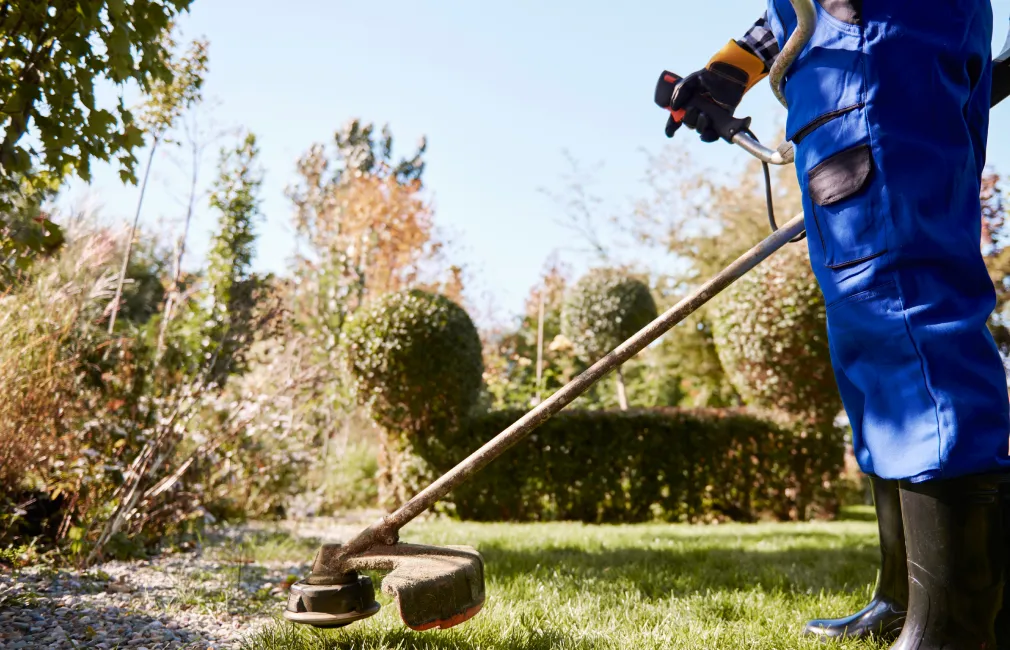
Edging and Trimming
-
Commercial Property Mowing
-
Seasonal Lawn Maintenance
-
Eco-Friendly Mowing
Our Lawn Mowing Process
Site Evaluation
Equipment Preparation
Mowing Execution
Edging and Trimming
Cleanup
Why Choose Cape Coral Landscape Services
-
Cape Coral Homeowners Trust Us
-
Expert Lawn Maintenance
-
Reliable Irrigation Solutions
-
Competitive Pricing
-
Professional Team
-
Satisfaction Guarantee
-
Personalized Service
Coordinating Lawn Mowing Services with Cape Coral's Public Works and Stormwater Systems
Cape Coral's extensive canal network—over 400 miles of navigable waterways—makes lawn mowing coordination with municipal infrastructure essential. Grass clippings, sediment, and organic debris that enter swales, canal edges, or stormwater inlets contribute to nutrient loading and drainage obstruction. The city's Public Works department oversees stormwater system maintenance, and residents and mowing operators should ensure that clippings are directed back onto turf rather than discharged onto sidewalks, roadways, or into drainage structures.
- Blow or redirect all grass clippings away from canal banks, curb inlets, and swale channels after each mowing pass
- Verify current yard waste collection schedules and bundling requirements through the city before placing vegetative debris curbside
- Avoid mowing swale areas to excessively short heights, as swale vegetation helps filter stormwater runoff before it enters the canal system
- Contact the city's Water Quality and Conservation division for guidance on protecting waterways adjacent to residential lots
Cape Coral Public Works
Official Website: Cape Coral FL Public Works
Cape Coral Water Quality & Conservation
Official Website: Cape Coral FL Water Quality & Conservation
How Cape Coral's Gulf Coast Climate and Sandy Soils Shape Lawn Mowing Demands
Cape Coral sits within USDA Hardiness Zone 10a, classified as a Gulf Coast Florida environment with subtropical heat, high humidity, and pronounced wet and dry seasons. These conditions directly influence mowing frequency, turf stress, and equipment timing. The city's soils are predominantly sandy and shell-influenced, with low organic matter and rapid drainage characteristics consistent with coastal Lee County fill soils mapped through the USDA Web Soil Survey.
- Wet season (June through October): St. Augustinegrass and bahiagrass—the dominant turf species in Cape Coral—may require mowing every 5 to 7 days due to accelerated growth from daily rainfall and sustained temperatures above 90°F
- Dry season (November through May): Growth slows considerably, and mowing frequency can often be reduced to every 10 to 14 days, though irrigation-dependent lawns may maintain faster growth
- Sandy soil behavior: Rapid drainage reduces standing water but also accelerates nutrient leaching, meaning clippings left on the lawn serve as a valuable nitrogen source and should not be bagged unnecessarily
- Humidity and fungal pressure: Mowing wet turf promotes disease spread in species like St. Augustinegrass; scheduling mowing after morning dew has dried reduces the risk of gray leaf spot and brown patch transmission
The UF/IFAS Gardening Solutions - Lawns resource provides region-specific turf management guidance applicable to Cape Coral's conditions.
Cape Coral's Code Compliance and Environmental Rules Affecting Lawn Mowing Operations
Cape Coral enforces property maintenance standards through its Development Services department, which administers code compliance for overgrown vegetation, visibility obstructions, and nuisance conditions on residential and commercial lots. Properties that exceed the city's vegetation height thresholds may receive code violations; property owners should verify current requirements directly with the department rather than relying on informal estimates.
- Grass clippings, leaf litter, and mowing debris must not be deposited into canals, retention ponds, or stormwater conveyance structures, consistent with the city's MS4 stormwater permit obligations under the Florida DEP NPDES Stormwater Program
- Operators applying any herbicide in conjunction with mowing services must hold appropriate certification through the FDACS Pesticide Applicator Licensing program
- Irrigation scheduling around mowing should comply with the South Florida Water Management District's watering restrictions, which may vary by drought stage and time of year; verify current schedules through the UF/IFAS Water Restrictions resource
- Mowing within city rights-of-way or adjacent to public swales should preserve swale grade and vegetation to maintain stormwater conveyance function
Cape Coral Development Services
Official Website: Cape Coral FL Development Services
Timing and Height Standards for Lawn Mowing in Cape Coral's Heat and Humidity
Proper mowing height and timing are critical to turf health in Cape Coral's subtropical environment. Cutting turf too short—known as scalping—exposes sandy root zones to direct sun, accelerates moisture loss, and invites weed colonization. The UF/IFAS Lawn Maintenance and Care guidelines recommend maintaining species-appropriate heights throughout the year.
- St. Augustinegrass: Maintain at 3.5 to 4 inches; never remove more than one-third of the blade length per mowing event
- Bahiagrass: Maintain at 3 to 4 inches; this species tolerates lower fertility but requires sharp blades to avoid ragged cuts that brown quickly in heat
- Zoysiagrass: Maintain at 2 to 2.5 inches where present; mow more frequently during peak summer growth
- Mowing timing: Schedule mowing during mid-morning or late afternoon to avoid peak heat stress on freshly cut turf; avoid mowing during or immediately after afternoon thunderstorms common from June through September
- Blade maintenance: Dull mower blades tear grass tissue rather than cutting cleanly, creating entry points for fungal pathogens that thrive in Cape Coral's humid conditions
- Clipping management: Returning clippings to the lawn recycles nitrogen and reduces the volume of yard waste placed curbside; clippings from healthy, untreated turf decompose rapidly on sandy soils
What Neighborhoods Do We Serve Throughout Cape Coral, FL?
- Pelican: Canal-front lots in this established area require careful mowing along seawalled and sloped canal edges to prevent clippings from entering waterways
- Coral Oaks: Mature landscaping and larger lot sizes in this community often involve mixed sun and shade conditions that affect turf density and mowing height decisions
- Sandoval: This master-planned community features HOA-maintained common areas alongside individual lots, requiring coordination with association standards for mowing height and frequency
- Burnt Store Marina: Waterfront properties near Charlotte Harbor experience salt-air exposure that can stress turf, making proper mowing height especially important for root resilience
- SW Cape Coral (Surfside/Caloosahatchee corridor): Properties along the Caloosahatchee River and nearby canals face elevated runoff sensitivity, and mowing operators should take extra care to keep debris out of drainage paths
- NW Cape Coral (Spreader Waterway area): Newer subdivisions built on fill soils may have settling or uneven grades that require adjusted mower deck heights to avoid scalping